
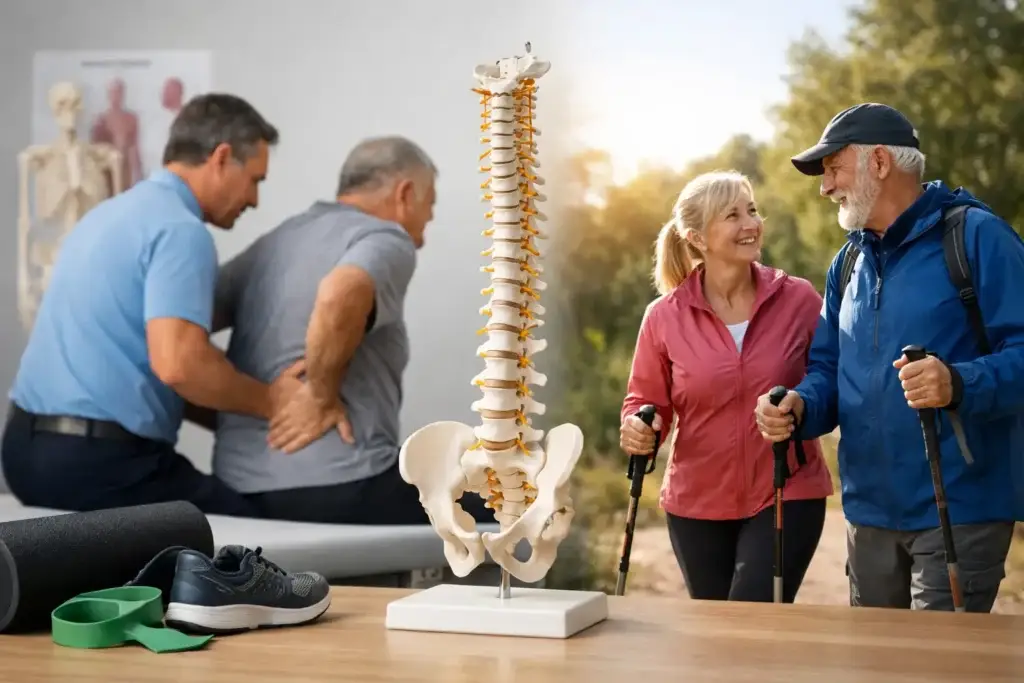
When back pain begins limiting work, sleep, walking, or time with family, surgery can feel like the only remaining option. Yet one of the top ways to avoid back surgery is to stop treating every painful spine the same. Many patients improve when the actual source of pain, nerve irritation, movement dysfunction, or disc stress is identified and addressed with a structured nonsurgical plan.
Surgery can be appropriate and necessary in certain situations. But for many people with disc-related pain, sciatica, chronic mechanical back pain, or injury-related symptoms, the most productive first step is a thorough evaluation followed by targeted conservative care. The goal is not simply to reduce pain for a few days. It is to improve function, reduce stress on sensitive tissues, and help prevent the same problem from repeatedly returning.
Surgery Is Not Always the Starting Point
Back surgery is generally considered when symptoms are severe, progressively worsening, or have not responded to an appropriate course of conservative treatment. Even then, the decision should be based on a clear match between symptoms, examination findings, diagnostic imaging when needed, and the proposed procedure.
An MRI may show a disc bulge, degeneration, or narrowing, but imaging findings alone do not always explain a patient’s pain. Many adults have age-related spinal changes without disabling symptoms. Conversely, persistent leg pain, numbness, weakness, or loss of mobility may point to a nerve-related problem that deserves more focused attention.
This distinction matters. Treating an image instead of the patient can lead to missed contributing factors, such as poor spinal mechanics, inflammation around an irritated nerve, deconditioning after an injury, or movement habits that continually aggravate a sensitive disc. A precise diagnosis creates a better path forward and helps determine whether nonsurgical care is a reasonable option.
Get a Diagnosis That Explains the Pain
A meaningful evaluation looks beyond the location of pain. Low back pain that travels into the buttock, leg, calf, or foot may involve a lumbar nerve root. Burning, tingling, or altered sensation may require a closer neurological assessment. Pain that is worse with bending, coughing, sitting, standing, or walking can also provide useful clinical clues.
The examination should assess strength, reflexes, sensation, range of motion, gait, posture, and how the spine responds to specific movements. For patients recovering from a car accident or another trauma, the evaluation should also consider soft-tissue injury, joint dysfunction, and whether symptoms are changing over time.
Ask What Is Driving the Symptoms
Before accepting that surgery is inevitable, ask clear questions: What structure or condition is most likely generating the pain? Is there evidence of nerve compression or neurological loss? What conservative treatments have already been tried, and were they specific enough or long enough to evaluate fairly?
A plan that only relies on pain medication, occasional passive treatment, or generic exercises may not be enough for a complex spinal condition. Effective conservative care is typically individualized. It changes as symptoms, tolerance, strength, and daily function change.
Top Ways to Avoid Back Surgery Before It Is Necessary
Reduce Disc and Nerve Stress With a Targeted Plan
For certain patients with disc herniation, degenerative disc disease, or sciatica, non-surgical spinal decompression may be considered as part of a broader treatment program. This form of controlled traction is designed to gently unload the spine and may help reduce mechanical pressure on irritated structures. It is not appropriate for every condition, and results depend on the diagnosis, severity, and overall health of the patient.
The right approach is not to chase an immediate pain-free day at the expense of long-term progress. Some patients need a period of activity modification while an acute flare calms down. Others need gradual exposure to movement because avoiding all activity has caused stiffness, weakness, and fear of normal motion. The dosage matters.
Use Nonsurgical Therapies for the Right Clinical Purpose
Pain relief can make rehabilitation possible, but symptom control should support a larger goal: restoring movement and function. Depending on the condition, a clinician may recommend chiropractic care, therapeutic laser, electrotherapy, or shockwave therapy as part of an individualized plan.
For example, chiropractic treatment may help address joint restriction and impaired spinal mechanics when it is clinically appropriate. MLS® Class IV laser therapy and cold laser therapy may be used to support the management of pain and inflammation in certain musculoskeletal conditions. Electrotherapy can be useful in selected cases involving pain modulation, muscle dysfunction, or nerve-related symptoms. These treatments are tools, not one-size-fits-all answers.
At DeSalvo Chiropractic, care plans are built around the patient’s examination findings, functional limitations, and response to treatment rather than a preset series of visits. That matters for people who have already tried standard approaches without lasting improvement.
Rebuild Stability, Strength, and Confidence in Movement
A painful spine often changes the way a person moves. They may brace constantly, avoid bending, shift weight to one side, or stop walking and exercising. Those adaptations can be protective in the short term, but over time they may reduce conditioning and place more strain on other tissues.
Structured rehabilitation helps restore the capacity to move safely. The program may include controlled mobility work, trunk and hip strengthening, balance training, and guidance on lifting, sitting, and transitioning from one position to another. The exercises should be matched to the patient’s tolerance. An aggressive program during an acute nerve flare can be counterproductive, while an overly cautious plan may not rebuild enough capacity for work and daily life.
Protect Your Spine Between Appointments
What happens outside the treatment room can strongly affect recovery. Repeatedly lifting with a rounded back, remaining seated for hours, or returning too quickly to demanding activity can keep symptoms active. Small adjustments, practiced consistently, are often more useful than a dramatic overhaul that is impossible to maintain.
Break up prolonged sitting with brief walks or position changes. Keep commonly used items within easy reach rather than repeatedly twisting or bending. When lifting, get close to the object, use the hips and legs, and avoid combining a heavy lift with a twisting motion. For Bay Area professionals who spend long days at a desk or behind the wheel, workstation setup and regular movement breaks deserve the same attention as a treatment appointment.
Sleep also deserves consideration. There is no single perfect mattress or sleep position, but the best setup is usually one that allows the spine to rest without provoking leg pain, numbness, or repeated waking. A pillow between the knees for side sleepers or beneath the knees for back sleepers may reduce strain for some people. Persistent nighttime pain, however, should be evaluated rather than managed only with positioning changes.
Know When Surgery Should Not Be Delayed
Avoiding unnecessary surgery is not the same as avoiding surgery at all costs. Certain symptoms require prompt medical assessment. New or progressive weakness in the leg or foot, loss of bowel or bladder control, numbness in the groin or saddle area, fever with severe back pain, or significant pain after major trauma should not be treated as a routine back-pain flare.
Surgery may also be a reasonable recommendation when there is a clear structural cause of severe symptoms, neurological function is declining, or a well-designed course of conservative care has not provided meaningful improvement. In those cases, the value of surgery may outweigh the risks. A responsible nonsurgical provider recognizes that referral is part of patient-centered care when the clinical picture calls for it.
The most useful next step is a clear assessment of what your spine and nervous system need now, not a rushed decision based on fear. With the right diagnosis, targeted treatment, and progressive rehabilitation, many patients can move toward relief and stronger daily function while keeping surgery as a carefully considered option rather than an automatic destination.