
Plantar Fasciitis Treatment in Novato, CA
Struggling With Heel Pain When You First Step Out of Bed?
Schedule an Evaluation Online
Plantar fasciitis is one of the most common causes of heel pain. It occurs when the thick band of tissue along the bottom of the foot becomes irritated or inflamed.
Many patients notice sharp pain in the heel during the first steps in the morning, after long periods of sitting, or after extended activity.
At DeSalvo Chiropractic in Novato, CA, we provide comprehensive evaluation and non-surgical treatment options designed to reduce heel pain, improve mobility, and help patients return to daily activities comfortably.

Common Symptoms of Plantar Fasciitis
What symptoms does plantar fasciitis cause?
Plantar fasciitis affects the thick connective tissue that supports the arch of the foot. When this tissue becomes irritated, it can cause significant heel pain and stiffness.
Common symptoms include:
Sharp Heel Pain
Many patients experience a sharp or stabbing pain in the bottom of the heel, especially when taking the first steps in the morning.
Symptoms may include:
- Sharp heel pain when walking
- Pain that improves with movement but returns later
- Tenderness under the heel

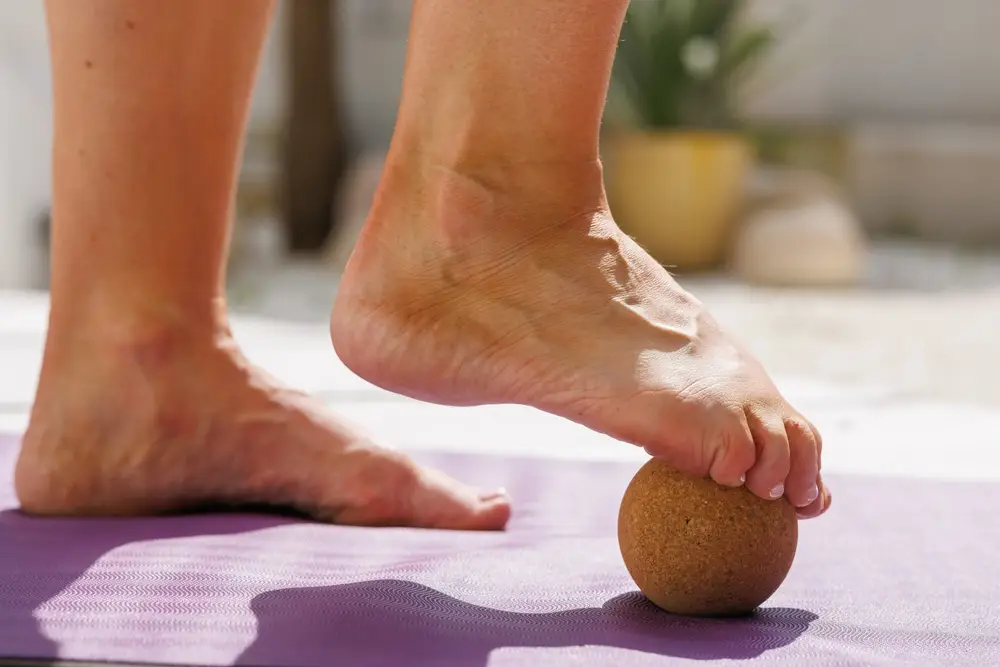
Arch Pain & Tightness
The plantar fascia runs from the heel through the arch of the foot. When this tissue becomes irritated, pain may extend through the arch.
Symptoms may include:
- Aching pain through the arch
- Tightness in the bottom of the foot
- Pain after standing or walking for long periods
Difficulty Walking or Standing
Severe plantar fasciitis can make daily activities uncomfortable.
Patients may experience:
- Increased pain after long periods on their feet
- Difficulty walking long distances
- Discomfort during exercise

Understanding the Cause of Heel Pain
What causes plantar fasciitis?
Plantar fasciitis occurs when repeated stress causes irritation of the the ligament that supports the arch of the foot, the plantar fascia.
Factors that contribute to Plantar fasciitis
- Overuse from running or walking
- Standing for long periods
- Tight calf muscles or Achilles tendon
- Flat feet or high arches
- Improper footwear
Over time, this repeated strain can lead to inflammation and pain in the heel and arch of the foot.

Plantar Fasciitis Treatment Options

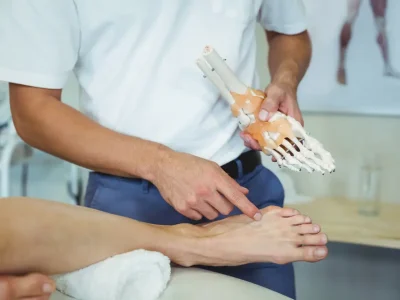
Treatment focuses on improving the mechanics of the foot and ankle while reducing stress on the plantar fascia.
Care may include:
- Foot and ankle adjustments
- Soft tissue therapy
- Stretching and mobility exercises
Without proper care, plantar fasciitis can persist for months and interfere with everyday activities.
Early treatment may help:
- Reduce inflammation
- Improve foot flexibility
- Prevent chronic heel pain
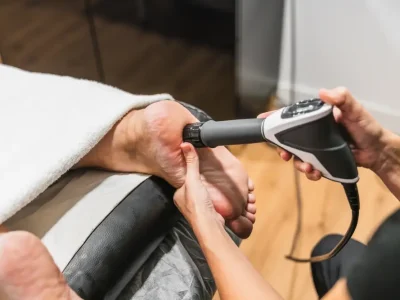
DeSalvo Chiropractic offers modern therapies designed to help reduce heel pain and support healing in the plantar fascia.
These treatments may help patients return to normal activities with less pain and improved mobility.
Get Back to Feeling Your Best
Book Your Consultation Online Today
DeSalvo Chiropractic provides comprehensive foot pain evaluations in Novato, CA.
Your visit may include:
- Foot pain assessment
- Digital X-rays if needed
- Consultation with Dr. DeSalvo
- Personalized treatment plan
Schedule your evaluation today and take the first step toward relief from heel pain.
Frequently Asked Questions
FAQ: Plantar Fasciitis Treatment
What is plantar fasciitis?
Plantar fasciitis is inflammation or irritation of the plantar fascia, a thick band of tissue that runs along the bottom of the foot and supports the arch.
Why does plantar fasciitis hurt most in the morning?
Pain is often worse in the morning because the plantar fascia tightens overnight. The first steps of the day stretch the tissue suddenly, causing sharp heel pain.
Can plantar fasciitis go away on its own?
In some cases symptoms improve with rest and stretching, but many patients experience persistent pain without proper treatment.
What treatments help plantar fasciitis?
Treatment may include stretching exercises, chiropractic care, soft tissue therapy, and supportive footwear to reduce stress on the plantar fascia.
When should I see a doctor for heel pain?
If heel pain persists for more than a few weeks or interferes with daily activities, it is important to have the foot evaluated to determine the cause.

If you’re experiencing persistent heel or arch pain, schedule a plantar fasciitis evaluation to determine the cause and explore treatment options.