
Headaches & Neck Pain Treatment in Novato, CA
If your headaches keep coming back, the problem may be starting in your neck.
Schedule a Headache & Neck Pain Evaluation
Headaches and neck pain are often more connected than people realize. Tension in the muscles, restricted motion in the cervical spine, disc irritation, and stress on nearby nerves can all contribute to pain that begins in the neck and travels upward.
At DeSalvo Chiropractic, we evaluate both the neck and the surrounding nervous system to understand what may be driving your symptoms. Treatment may include chiropractic care, and when appropriate, supportive therapies such as spinal decompression or shockwave therapy to help reduce irritation and improve movement.

Understanding Cervicogenic Headaches
How the Neck Can Trigger Head Pain
The structures in your neck are closely connected to the nerves that influence headache pain.
Why Neck Problems Cause Headaches
The upper cervical spine contains joints, muscles, and nerves that communicate directly with the brainstem. When these structures become irritated, restricted, or inflamed, they can refer pain upward into the head.
Common neck-related headache triggers include:
- Joint dysfunction in the upper neck that irritates nearby nerves
- Muscle tension and trigger points at the base of the skull
- Disc irritation or degeneration in the cervical spine
- Poor posture, especially from prolonged computer or phone use
- Previous injuries, such as whiplash or sports impacts
Because these headaches originate from the neck, treating the underlying neck issue is often far more effective than simply managing the symptoms.

Signs Your Headache May Be Neck-Related
Is My Headache Being Caused By A Neck Issue?
Neck-related headaches tend to have recognizable patterns. These are the most common symptoms of cervicogenic headaches.

Common symptoms of neck-based headaches can include:
- headaches that begin at the base of the skull
- stiffness or tightness in the neck
- pain that spreads into the shoulders or upper back
- numbness or tingling in the arms or hands
- difficulty turning or tilting the head
- headaches triggered by posture or long periods of sitting
An evaluation helps determine whether symptoms are related to muscles, joints, discs, or nerves in the cervical spine.
Our Approach to Evaluating Neck-Related Headaches
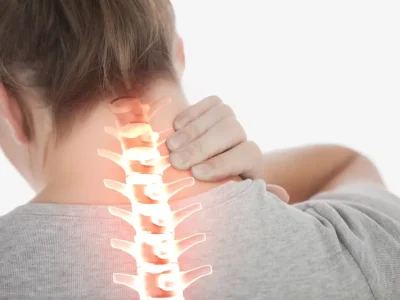
Headaches can have multiple causes. A detailed consultation and examination helps determine whether the cervical spine, surrounding muscles, or nerve irritation may be contributing to your symptoms.
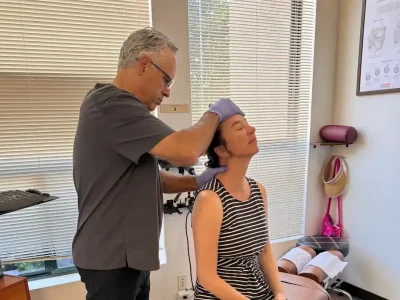
Careful evaluation of the neck joints, posture, and movement patterns allows us to identify restrictions, instability, or irritation that may be placing stress on the nervous system.
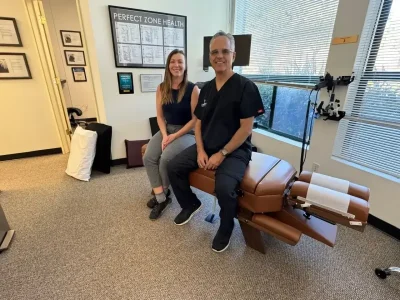
Once the underlying issue is identified, we develop a care plan designed to improve spinal function, reduce irritation, and help prevent recurring headaches.
Take the First Step Toward Answers
Schedule Your Headache and Neck Pain Evaluation Today
During your evaluation, we will:
- Review your headache history and health background
- Perform a focused examination of the cervical spine
- Evaluate posture, mobility, and possible nerve involvement
- Discuss whether your headaches may be coming from the neck
- Provide recommendations for the next steps in care
Understanding the source of your headaches can help guide the most appropriate treatment and help you move toward lasting relief.
Frequently Asked Questions
FAQ: Headache & Neck Pain
Can neck problems really cause headaches?
Yes. The nerves in the upper cervical spine communicate with areas of the brain involved in headache pain. When joints or muscles in the neck become irritated, they can refer pain into the head.
What is a cervicogenic headache?
A cervicogenic headache is a headache that originates from the cervical spine (neck). The pain is felt in the head but is caused by dysfunction in the neck.
How are neck-related headaches diagnosed?
Diagnosis typically involves reviewing your health history and performing a physical examination of the neck, posture, and range of motion. In some cases imaging or additional evaluation may be recommended.
Do neck-related headaches always include neck pain?
Not always. Some people experience headaches without obvious neck pain, even though the underlying cause originates from the cervical spine.
When should I seek help for recurring headaches?
If headaches are persistent, worsening, or interfering with daily life, it’s worth having them evaluated to determine the underlying cause and explore appropriate treatment options.

If you’re dealing with recurring headaches and suspect your neck may be involved, scheduling an evaluation can help clarify what’s going on and what options may help.